
Enquire Now



Newsfeed
Back-
Mekong Activity - Sustainability February 17Pathways World School, Gurgaon
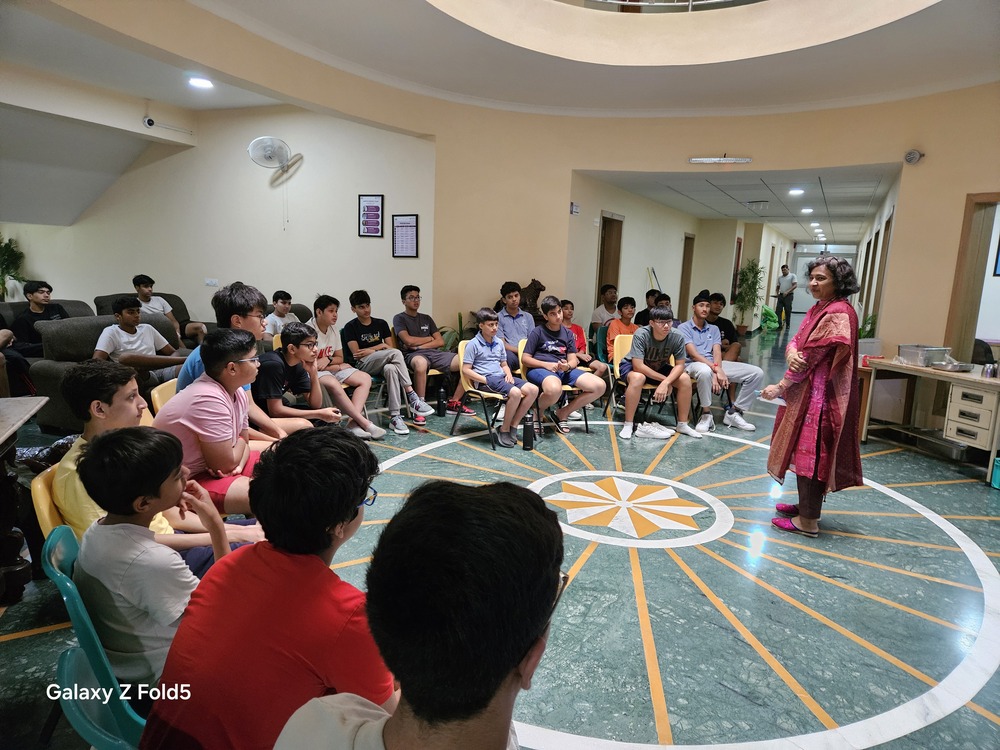
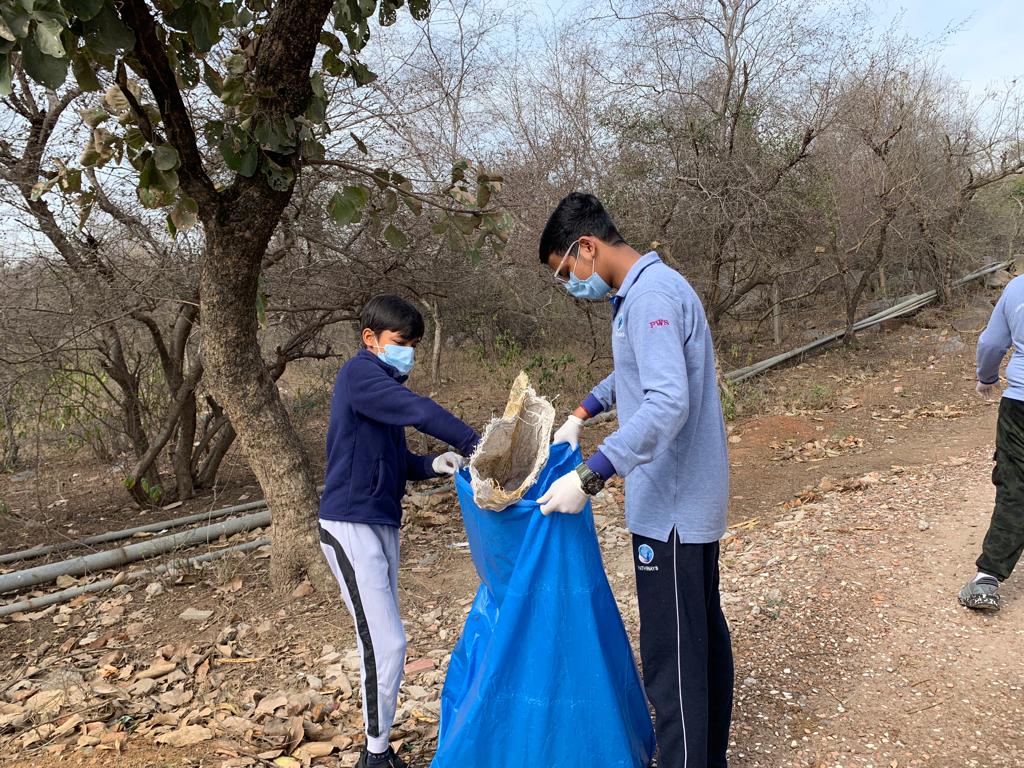
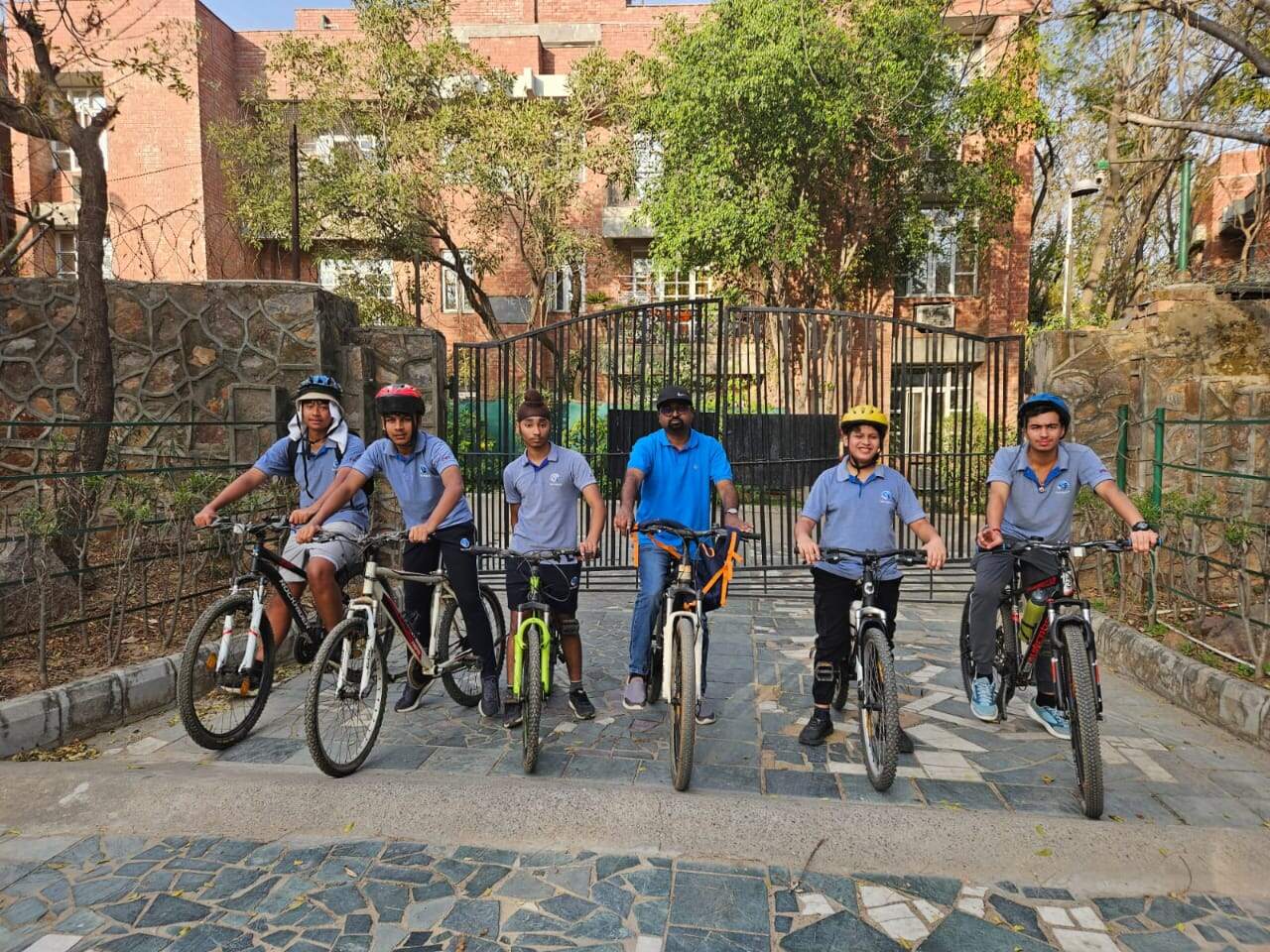
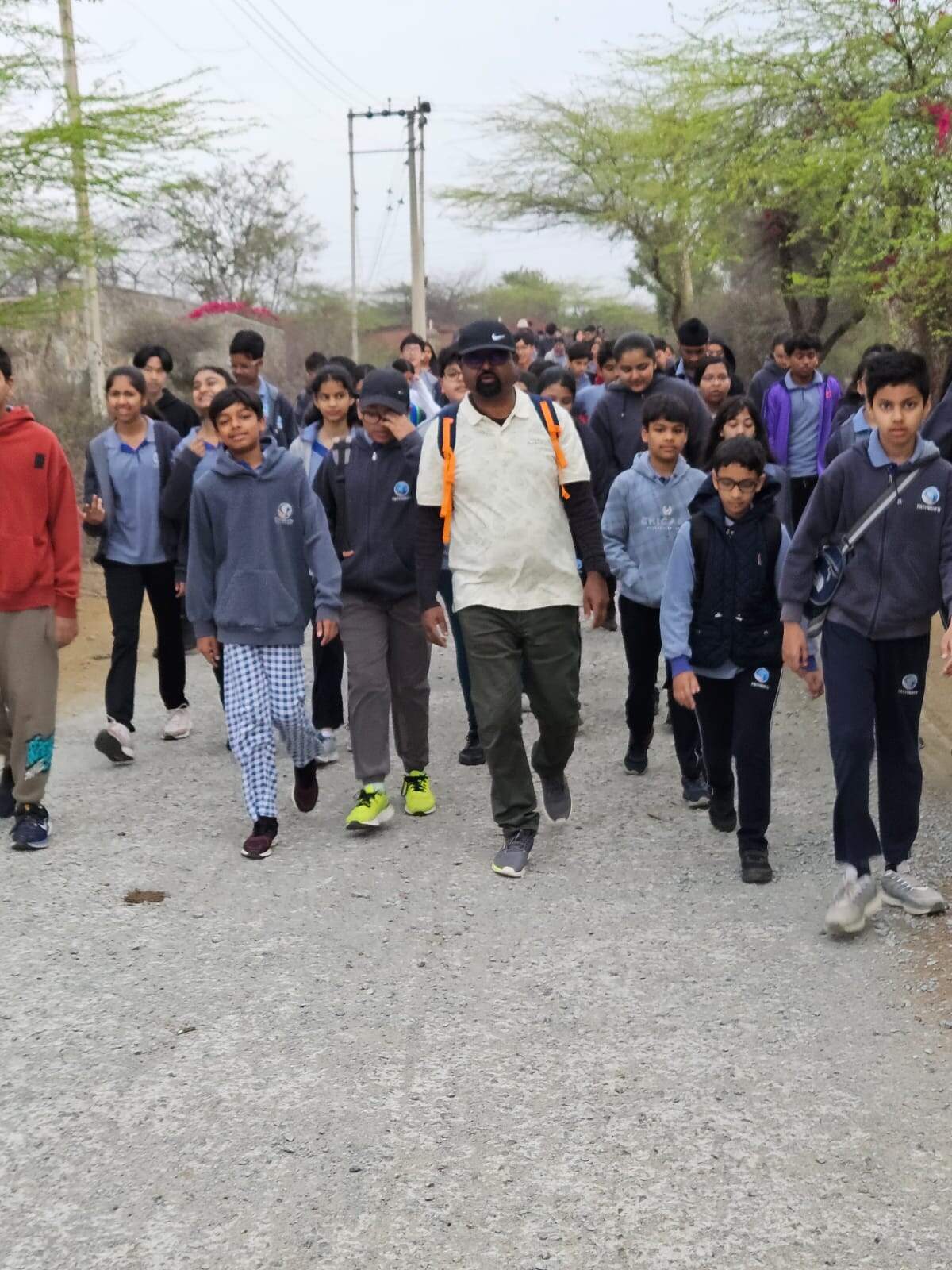
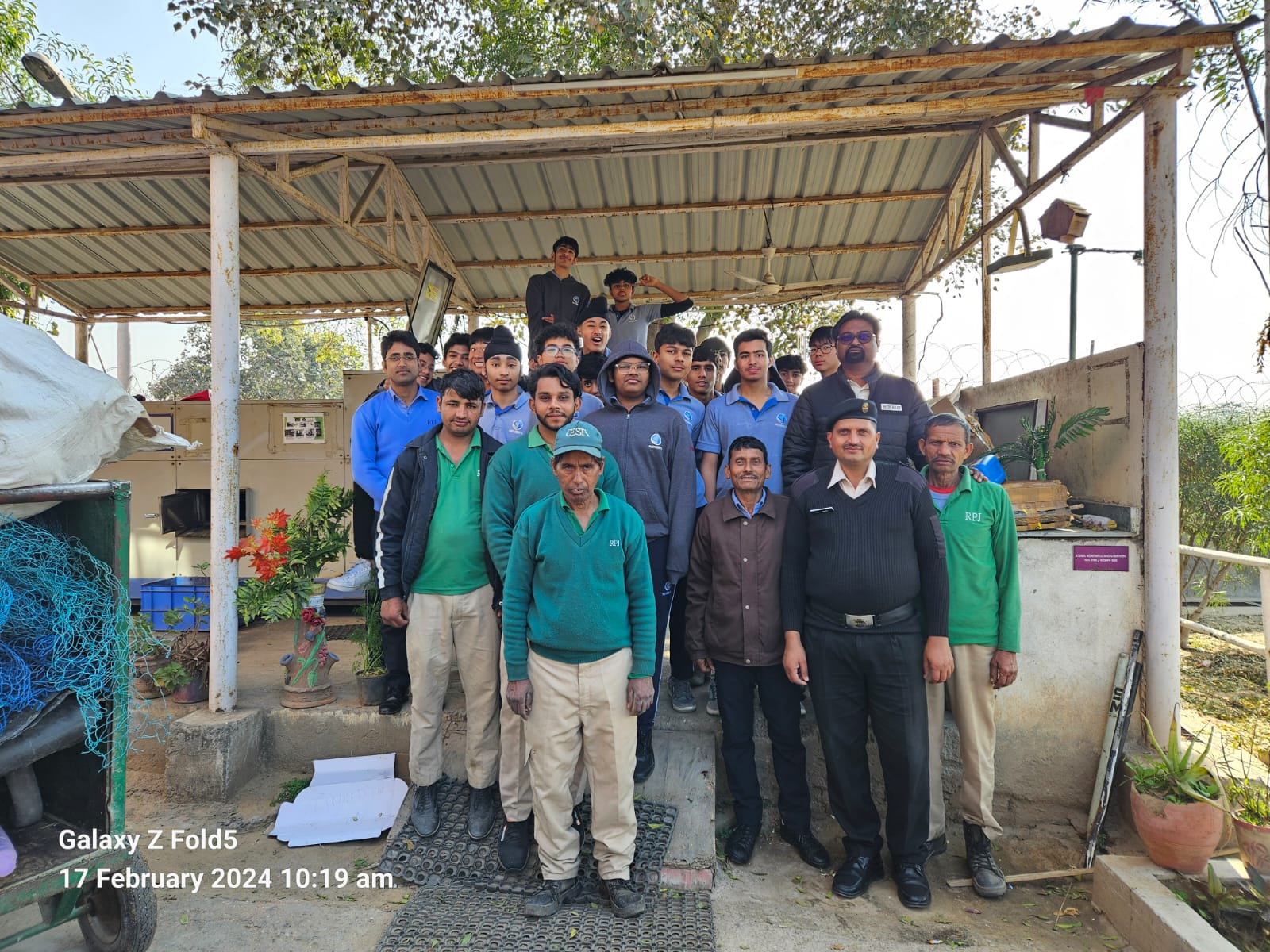
Over the weekend, students and staff at Mekong Residence embarked on an enlightening journey to delve into the school's waste management system. This immersive experience provided valuable insights into composting, waste segregation, recycling, and the school's commitment to sustainability.
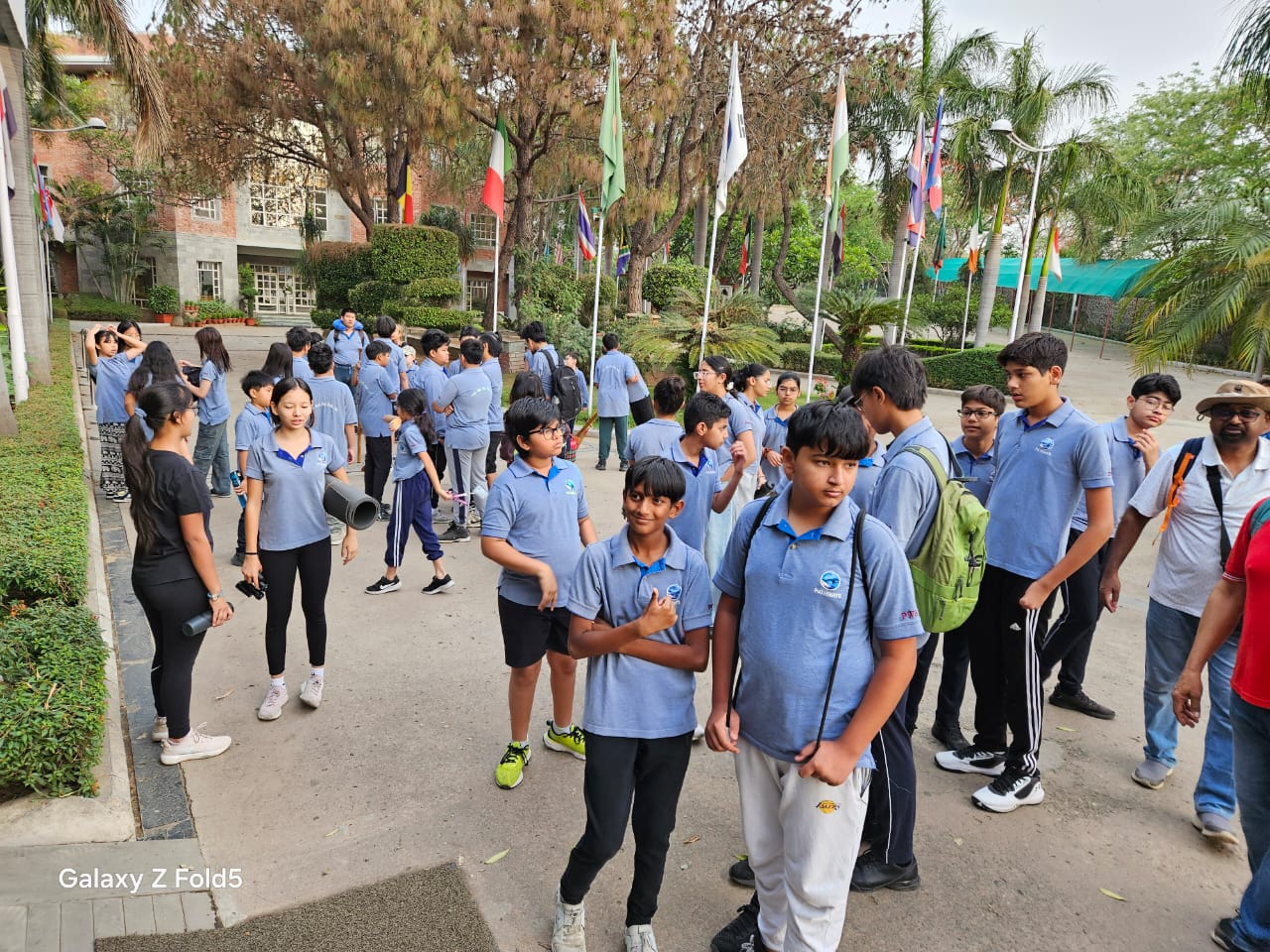
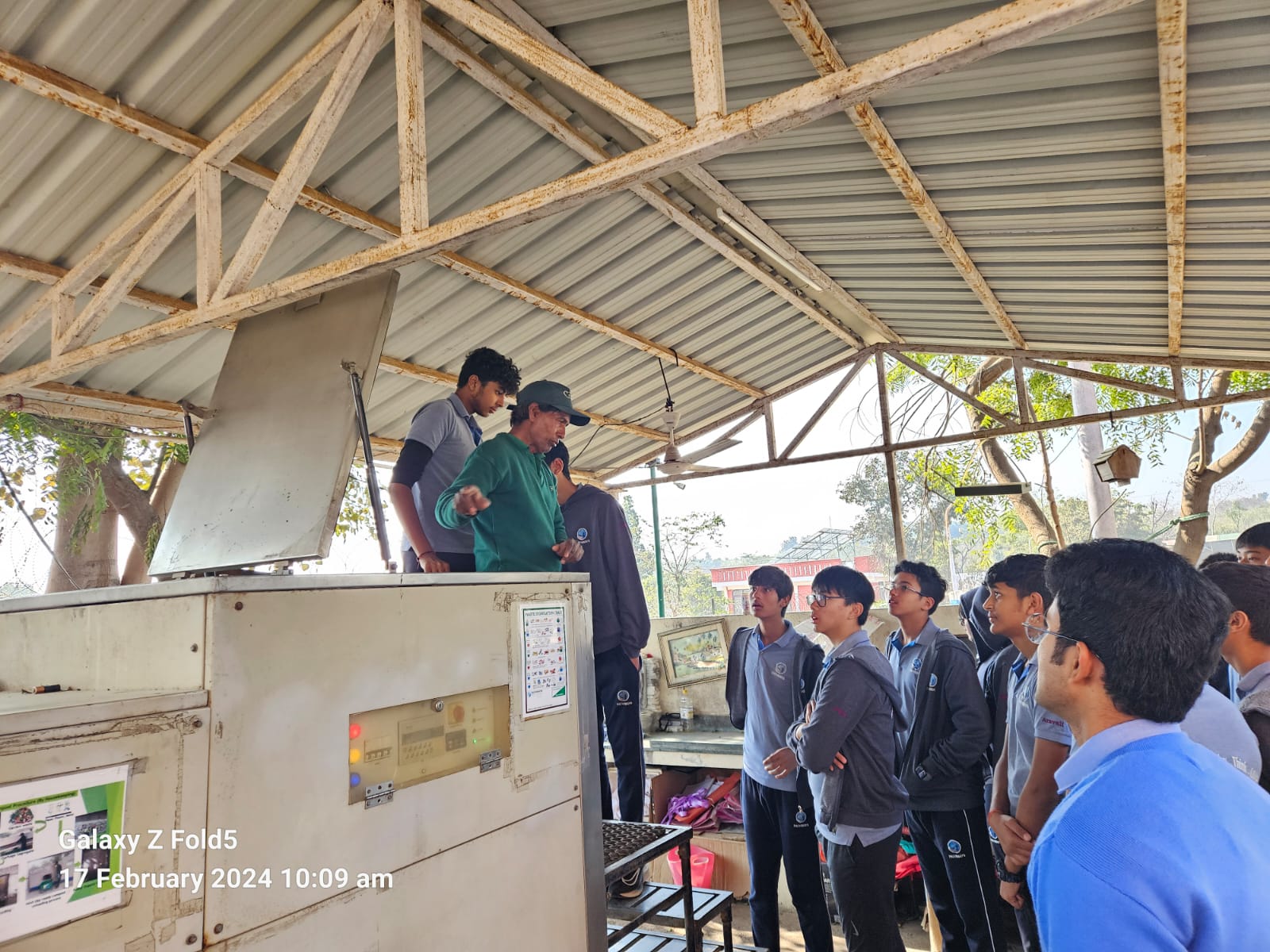
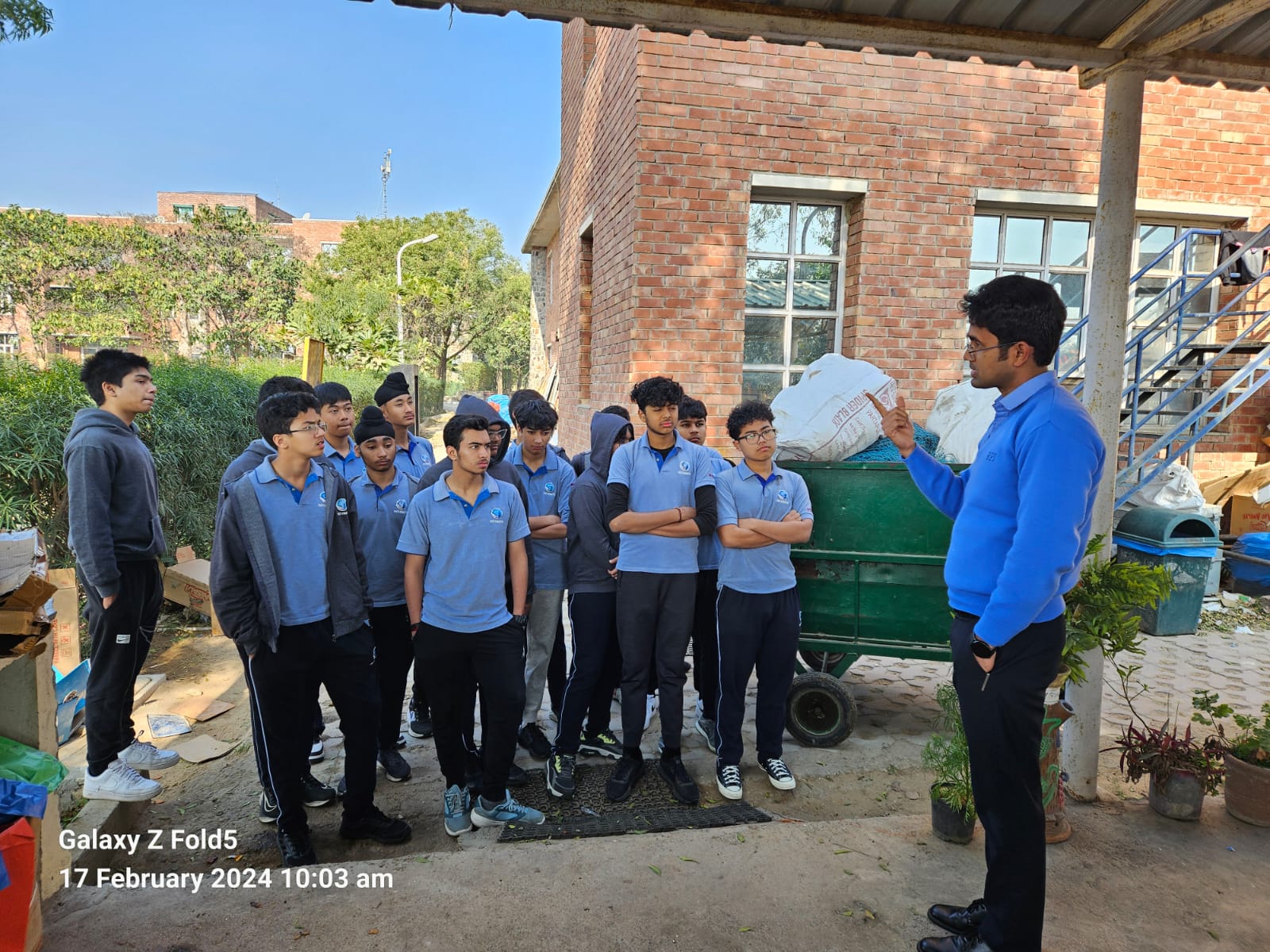
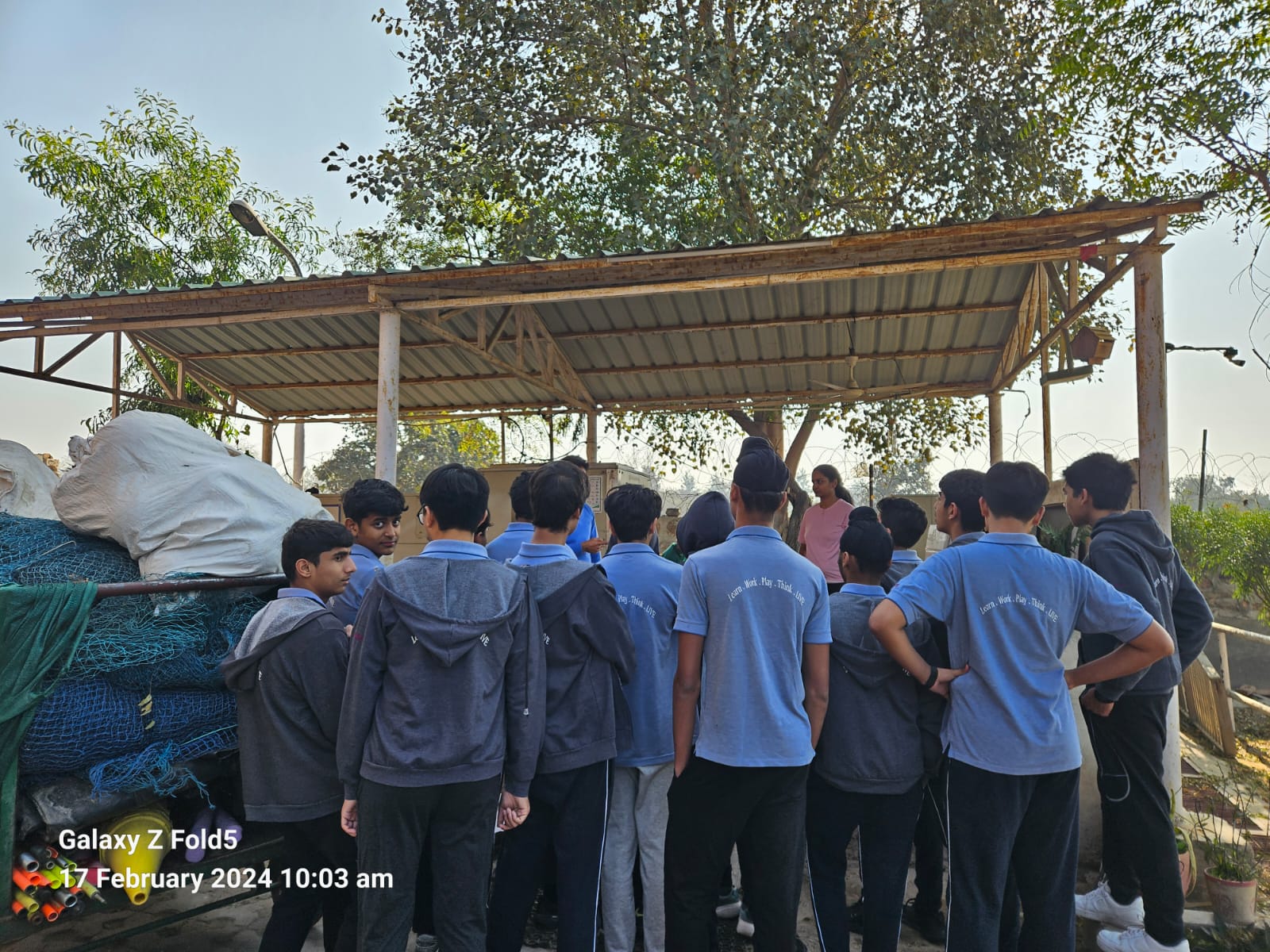
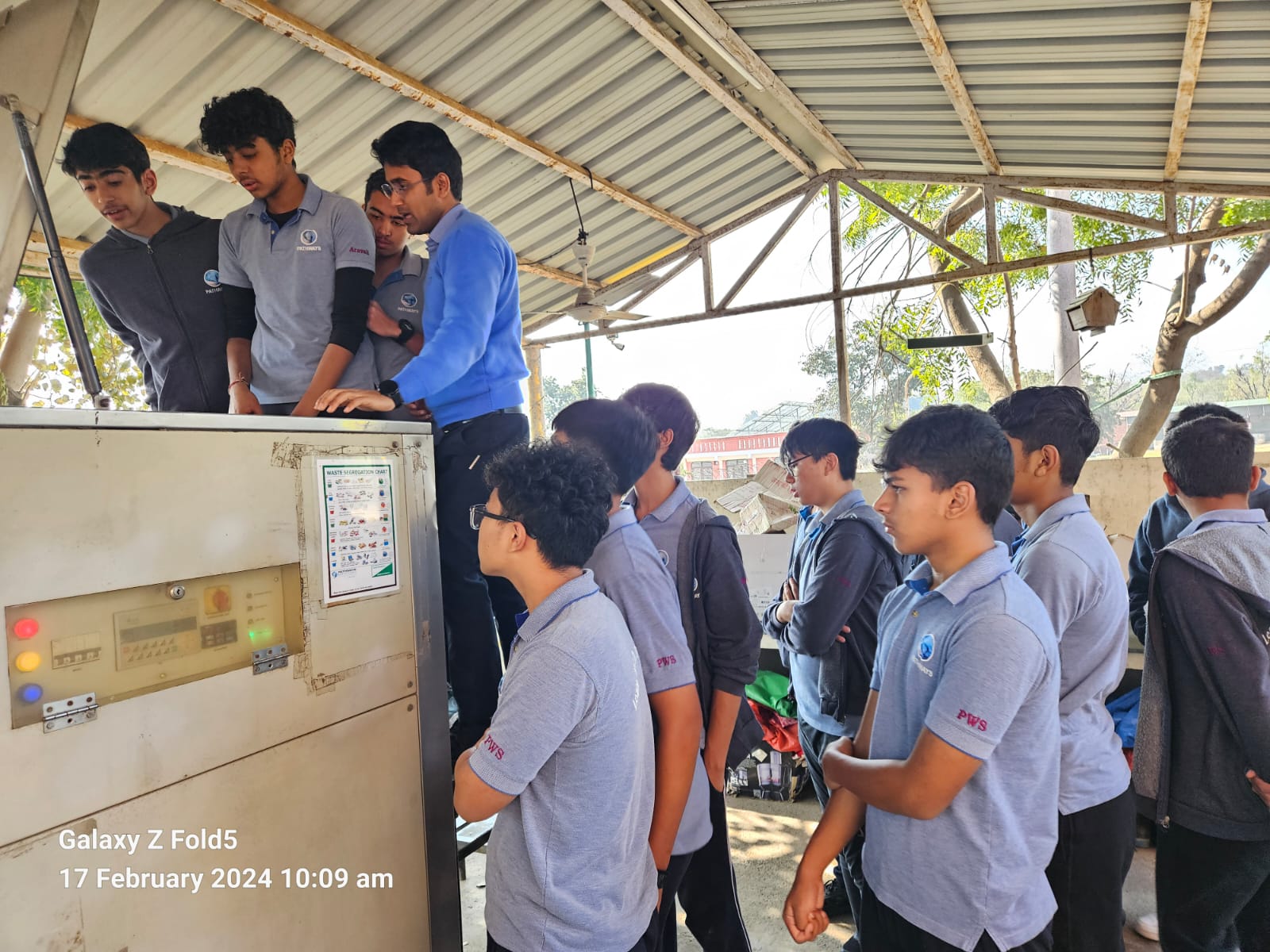
Exploring Waste Management: The day began with a guided tour of the school's waste management facilities. Students witnessed firsthand how waste is collected, sorted, and processed to minimize its environmental impact. The tour highlighted the importance of segregating waste into categories such as organic, recyclable, and non-recyclable materials.
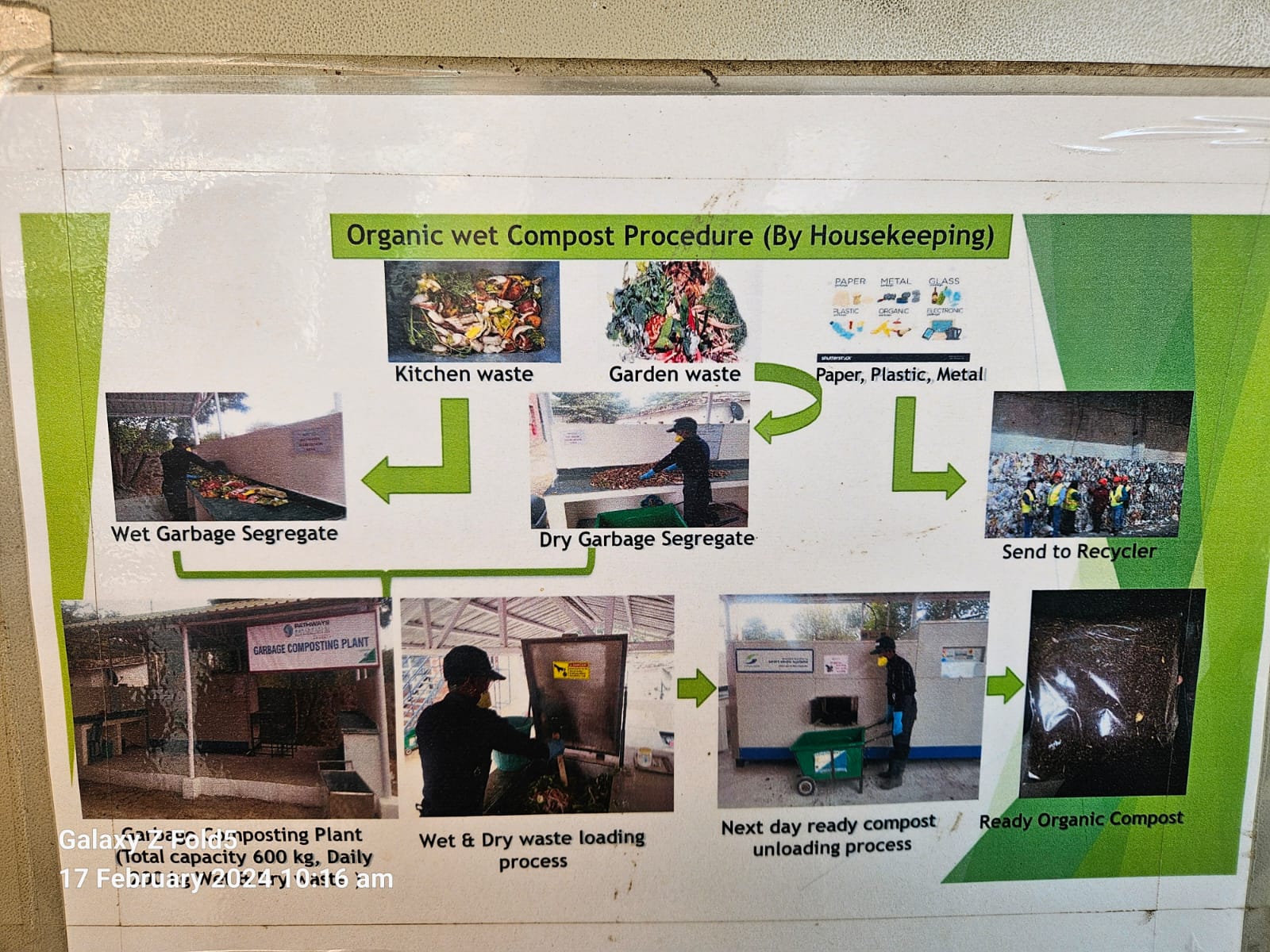
Composting Process: One of the highlights of the day was the demonstration of the composting process. Students observed how organic waste, such as food scraps and garden trimmings, is transformed into nutrient-rich compost through natural decomposition. They learned about the role of microorganisms in breaking down organic matter and the benefits of composting for soil health and fertility.
Waste Segregation: Students also learned about the importance of waste segregation in minimizing landfill waste and maximizing resource recovery. They participated in hands-on activities to practice sorting different types of waste into designated bins, promoting a culture of responsible waste disposal within the school community.
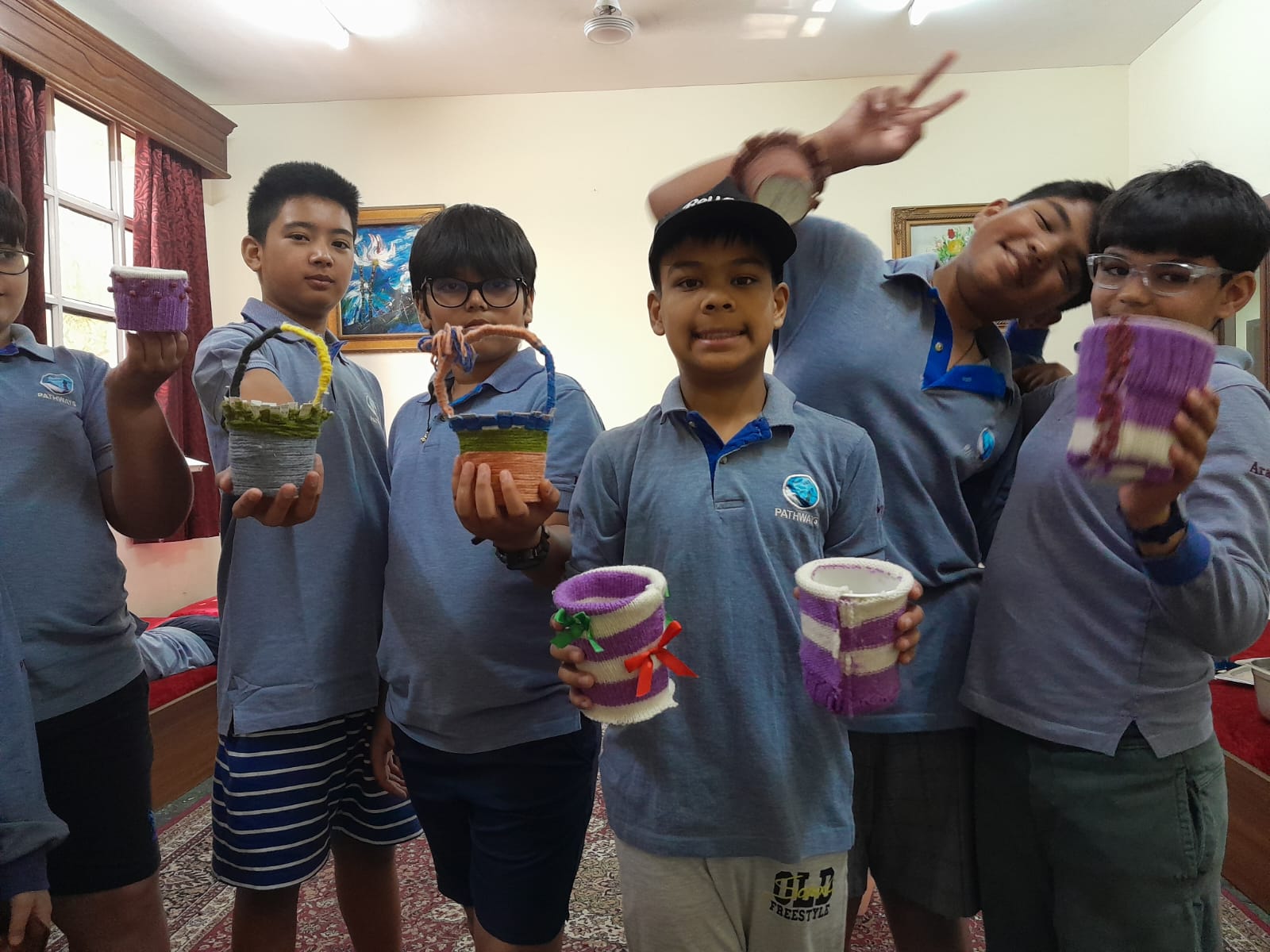
Reuse and Recycling: Pathways School emphasizes the principles of reuse and recycling as key components of its waste management strategy. Students explored innovative ways to repurpose materials and reduce their environmental footprint. They learned about the various materials that can be recycled and the process of turning them into new products, contributing to a more circular economy.
Utilizing Waste: Another fascinating aspect of the tour was learning how the school utilizes waste to benefit the environment. Students discovered how organic compost is used to enrich the soil in the school garden, promoting sustainable agriculture practices. They also witnessed how leftover food waste is repurposed to feed animals, minimizing food waste and supporting local livestock.
Conclusion: The weekend at Mekong Residence provided students with a comprehensive understanding of waste management and sustainability practices. By witnessing firsthand the school's commitment to reducing, reusing, and recycling waste, students were inspired to become stewards of the environment in their own lives. This immersive experience empowered them to make informed choices that contribute to a greener and more sustainable future.
Recommended Stories